The risk of brain injury, including stroke, is real.
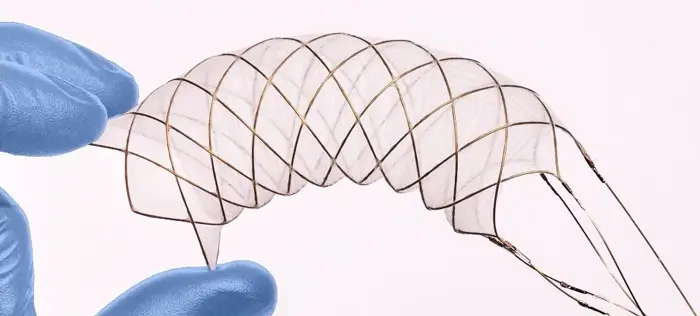
In about 50% of cases, ruptured brain aneurysms are fatal. Of those who survive, about 66% suffer some permanent neurological deficit. Endovascular treatment is currently the most common treatment for brain aneurysms. Flow diversion is a treatment where a physician inserts a stent into the artery at the site of the aneurysm, that reduces and eventually blocks blood flow into the aneurysm.
Transcatheter Aortic Valve Replacement (TAVR) is a less invasive cardiac procedure that treats patients with severe aortic stenosis without open heart surgery. TAVR represents a major advance for patients, but still carries a risk of brain injury, including stroke.ruptur
Patients, families and doctors are seeking ways to avoid these feared complications.

How Embolic Debris Causes Stroke and Cognitive Impairment
TAVR procedures can liberate embolic debris from the aortic valve and aorta during instrumentation. This debris can travel through the aortic arch and great vessels leading to the brain. Because blood vessels in the brain are small in size, debris can become lodged in the blood vessel, physically blocking blood flow. Lack of blood flow, called cerebral ischemia, can lead to brain injury – ranging from cognitive deficit (such as, problems with memory or decision-making) to stroke.
Risk is universal. Protection should be too.
99%
of TAVR patients after TAVR demonstrate evidence of embolic debris in the brain.1